
16 June 2026
How to Plan a Cloud Migration (Without Losing Your Mind)
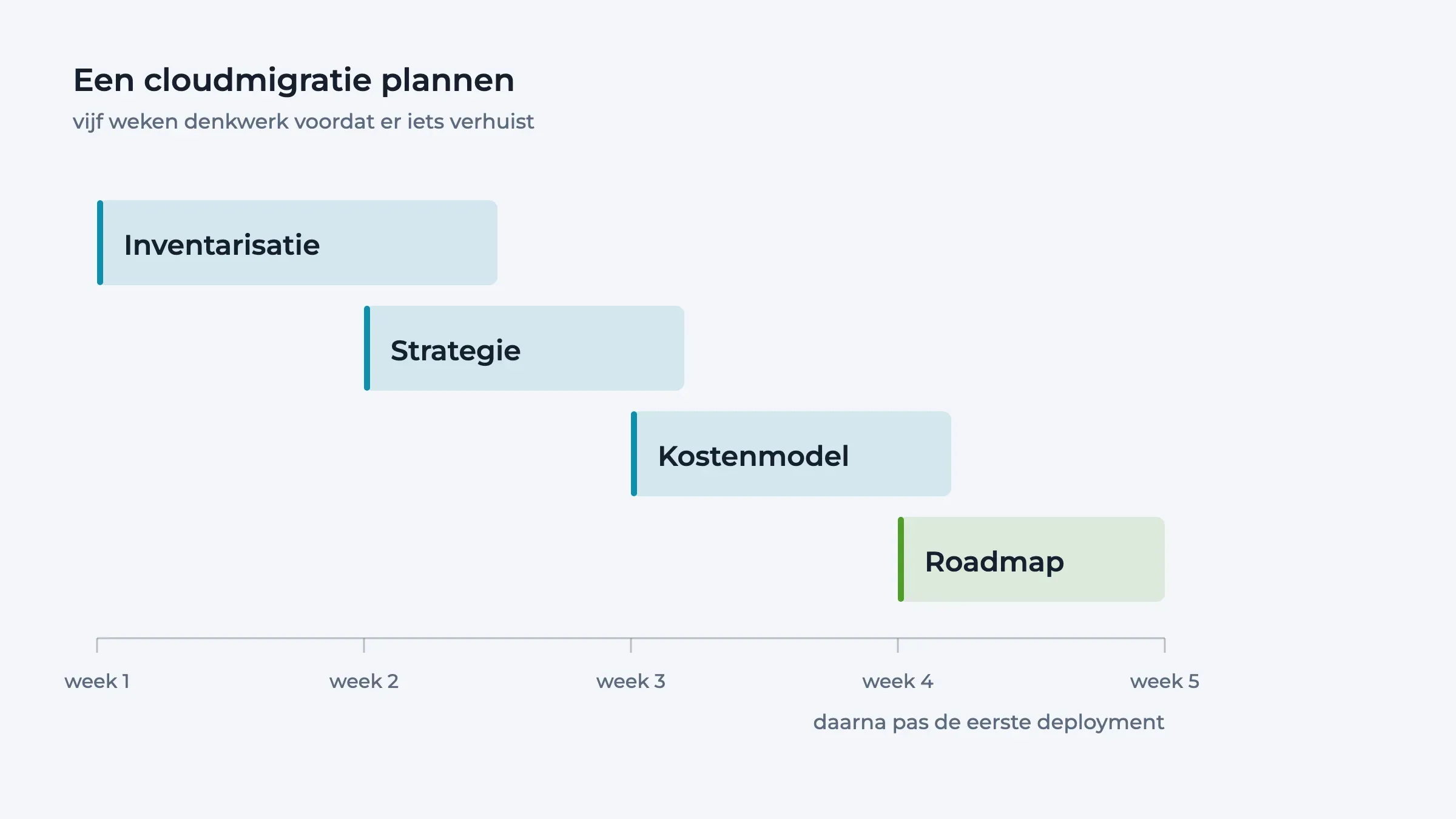
You know you need to move to the cloud. But you're terrified: What if we lose data? How long will this take? What if it costs more than staying on-premises? Are we picking the right provider?
In recent years, we've migrated 8 production systems to AWS, Azure, and Google Cloud. Here's what we've learned: most cloud migrations succeed. The ones that fail usually fail because of poor planning, not bad execution.
9 June 2026
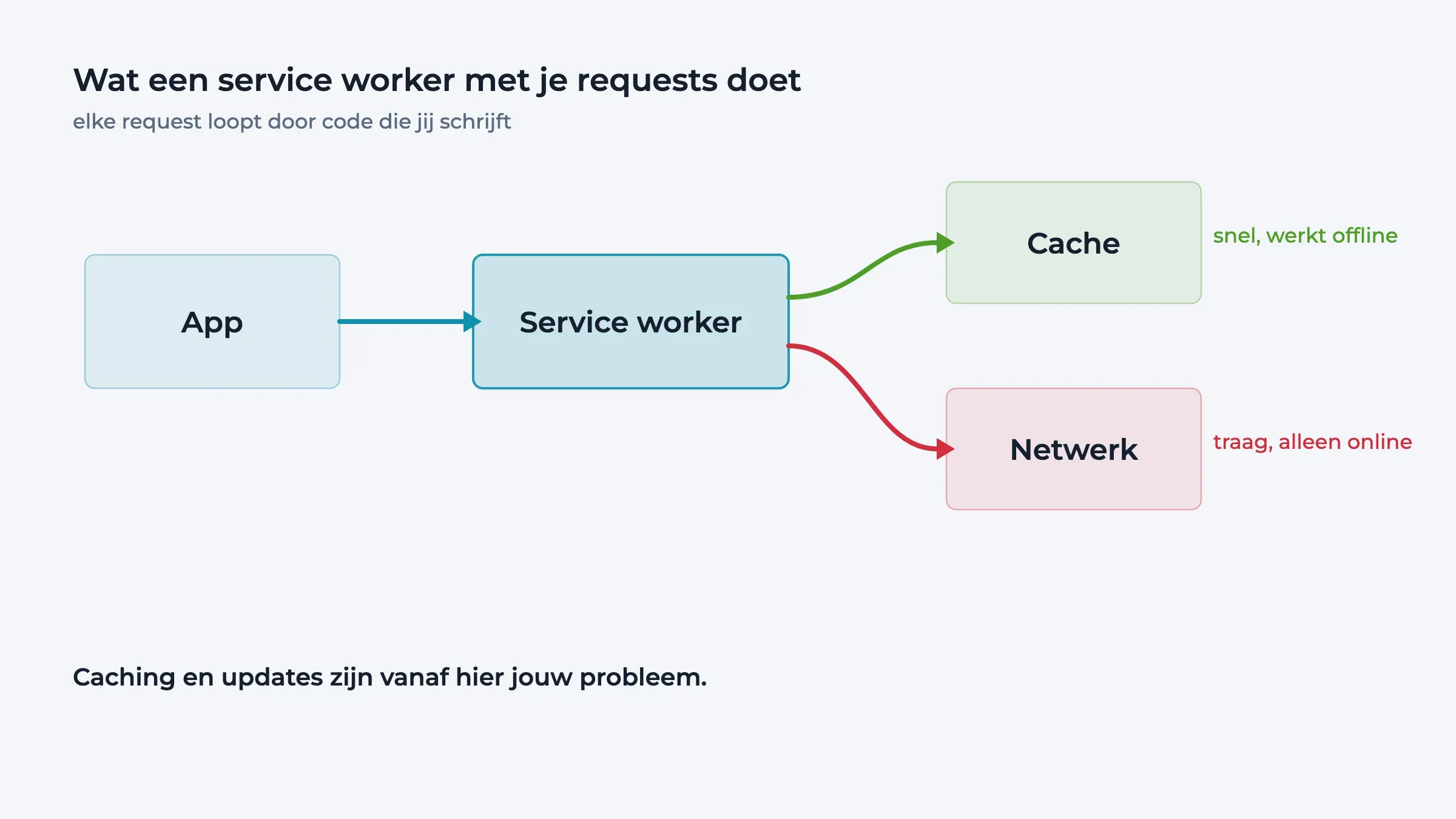
Building a PWA in 2026: What a Regular React Developer Actually Needs to Learn
If you have already built React applications, Progressive Web Apps are probably less intimidating than they sound.
The term still carries some early-2019 energy. Back then, PWAs were pitched as “websites that behave like native apps” and somehow promised to replace app stores entirely. That prediction aged… unevenly.
2 June 2026
Cloud Cost Optimisation: How We Helped a SaaS Company Reduce Cloud Spend by 35%
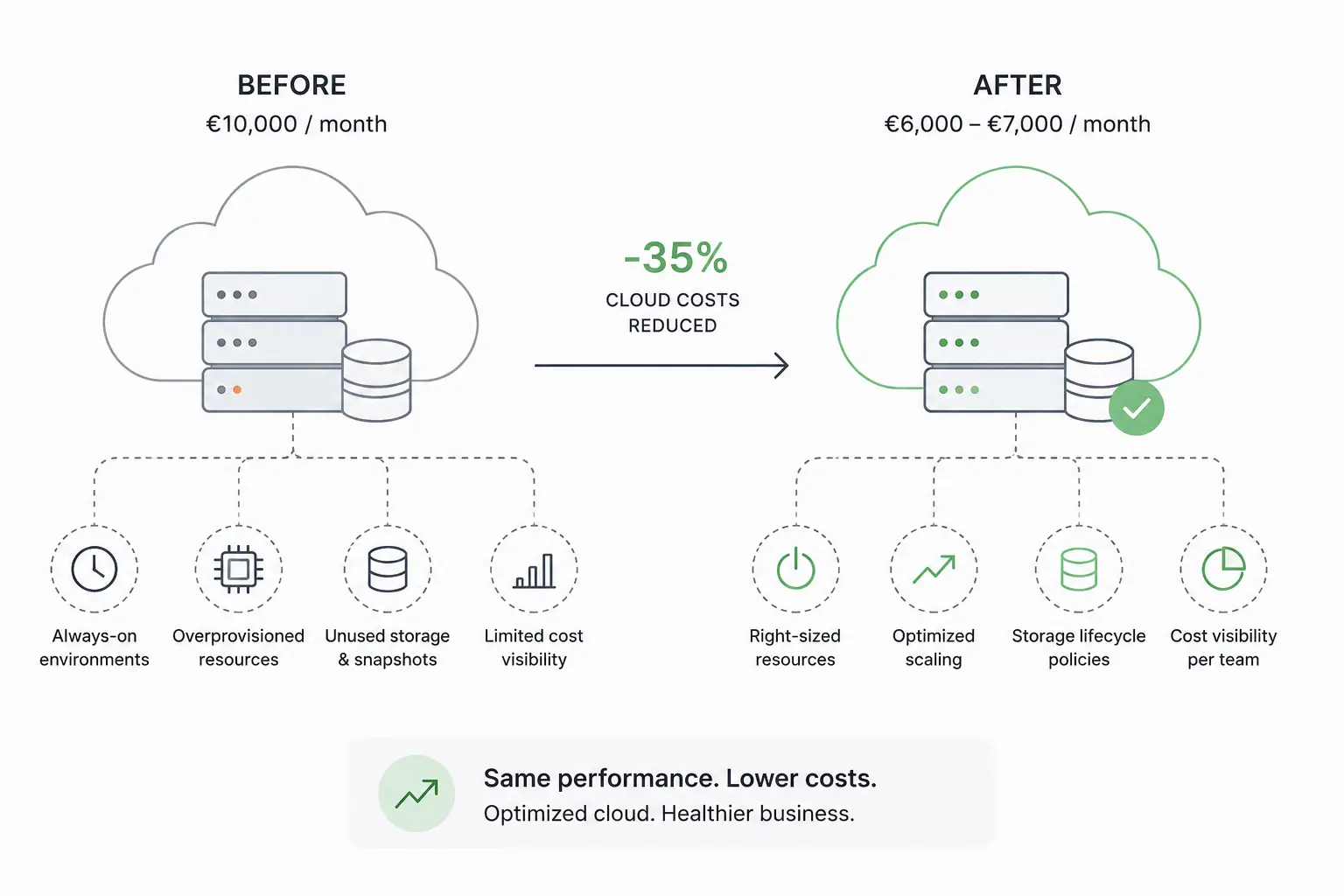
A small SaaS company with around 50 employees approached us with a concern that had begun to surface in budget discussions. Their product was stable, usage was growing steadily, but cloud costs were no longer behaving predictably. Monthly infrastructure spend was roughly €10,000. It wasn’t extreme, but it was drifting upward without a clear explanation. For a company of their size, even a few thousand euros of inefficiency per month was becoming noticeable.
26 May 2026
5 Things to Consider When Building a Website That Actually Ranks Well
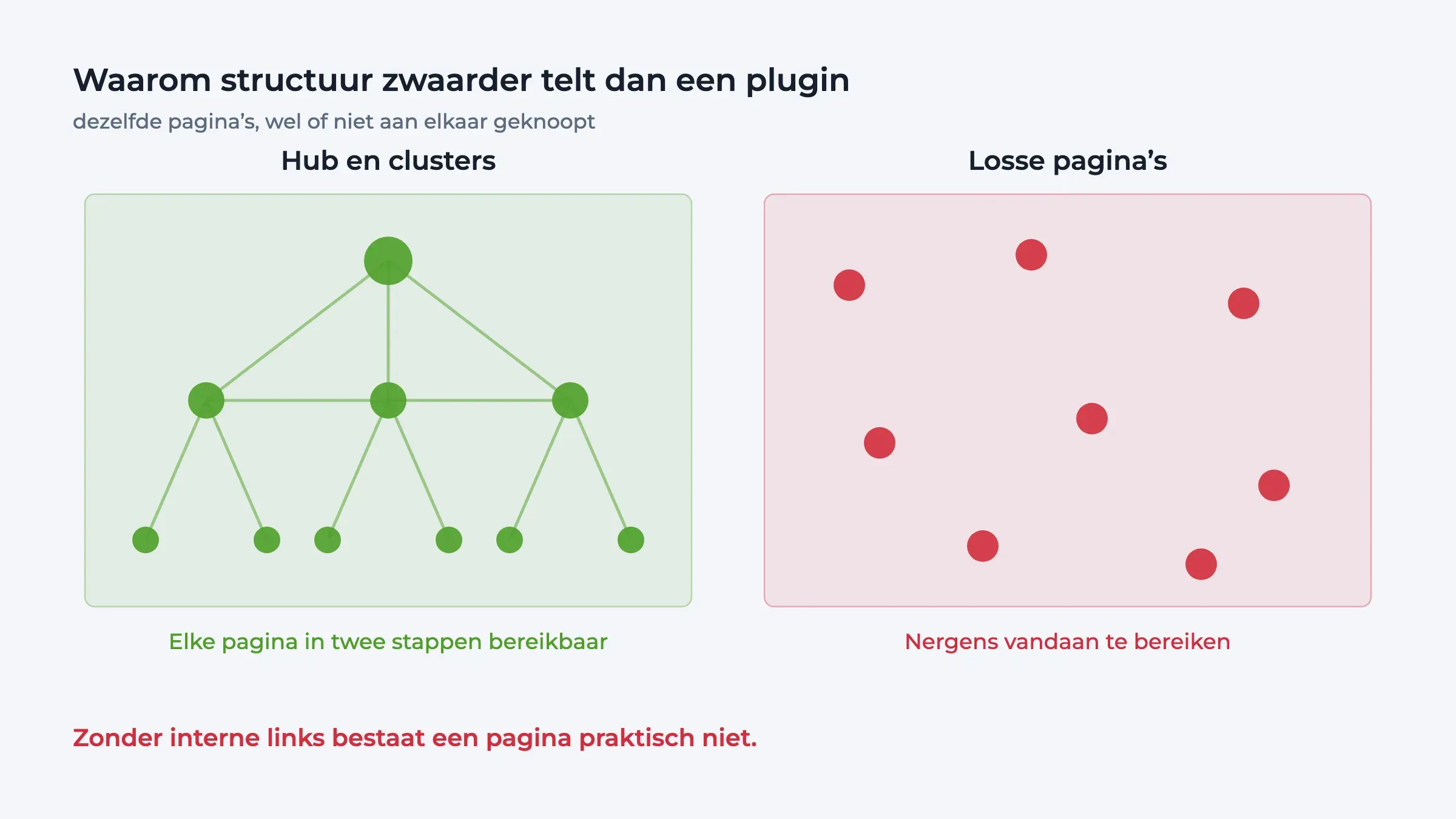
A lot of SEO advice still sounds like it came from 2014. Endless keyword checklists, “content is king,” and obsessing over density scores nobody cares about anymore. Meanwhile, plenty of technically decent websites still struggle to rank because they ignore the things search engines have quietly become very good at evaluating: structure, clarity, speed, and whether a site feels maintained by people who know what they’re doing.

19 May 2026
Why IAM Might Be the Most Dangerous Part of Your Cloud
Ask someone where cloud risk lives, and you’ll usually get the same answers: exposed databases, misconfigured storage buckets, maybe a server left open to the internet. Those are the things people screenshot, write postmortems about, and use in security presentations. They’re also not where most of the interesting problems come from.

14 May 2026
If AI Replaces Junior Roles, Where Do Senior Developers Come From?
There’s a quiet contradiction in how people talk about AI in software development. On one side, there’s excitement about replacing junior work. Boilerplate, simple features, small bug fixes—things that used to be entry points are now increasingly handled by AI. The argument is that this frees up time, reduces costs, and lets teams move faster. That part is hard to argue with. But it leaves an uncomfortable question hanging in the background: if fewer people start at the junior level, where do senior developers come from later?
5 May 2026
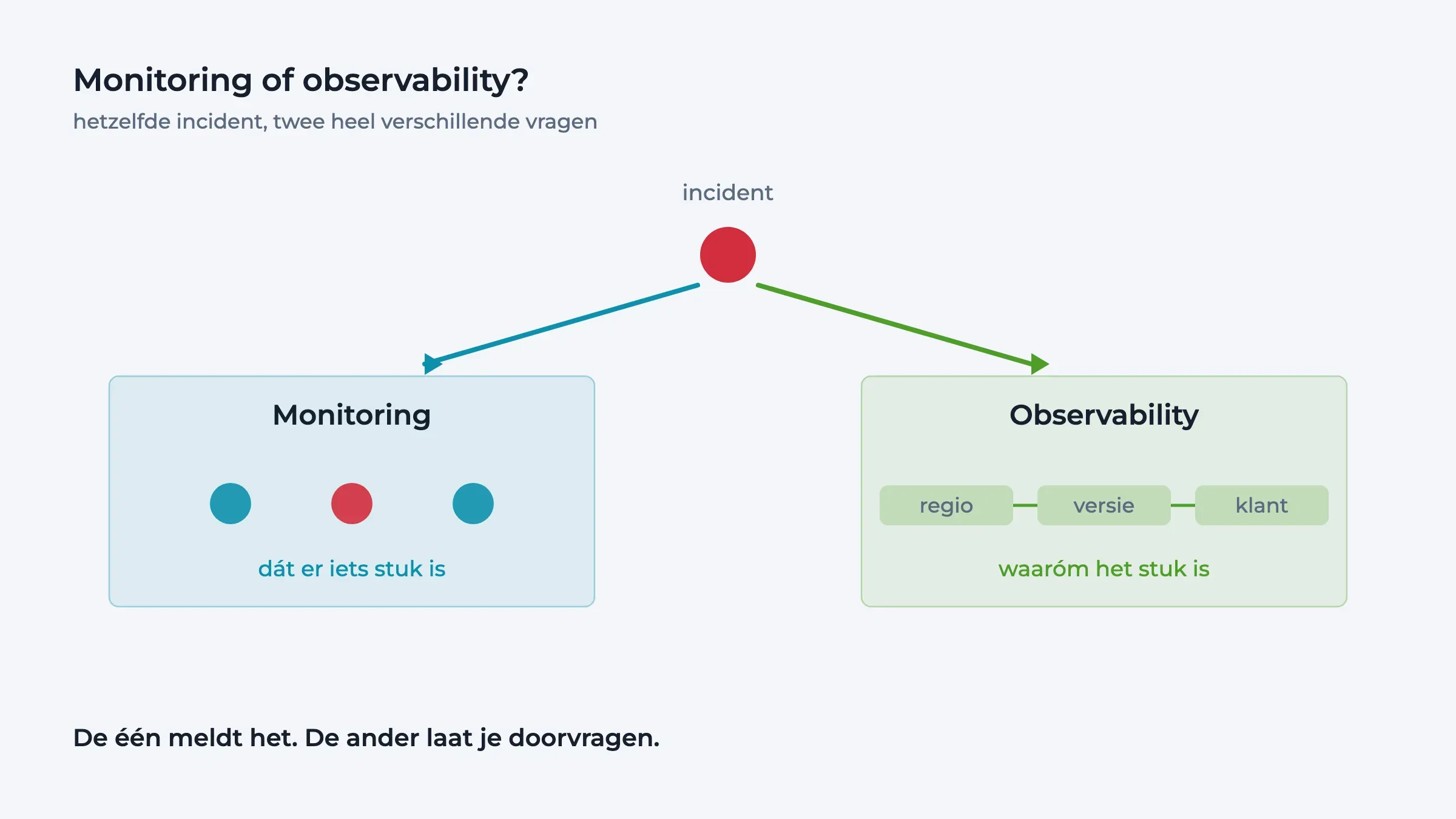
Cloud Observability vs. Cloud Monitoring
The difference between monitoring and observability only really shows up when something goes wrong, and the usual tools don’t help you understand why. That’s when the gap becomes obvious.

28 April 2026
Will Software Security Improve with AI Coding Agents Like Claude Mythos, or Get Worse?
Every new wave of tooling in software development comes with the same split reaction. Some people see leverage. Others see risk.
Claude Mythos sits right in that space. It’s not just another coding assistant. It can read large codebases, identify vulnerabilities, and in some cases go a step further, figuring out how those weaknesses could actually be exploited.
That combination is what makes it interesting, and also what makes it uncomfortable to reason about.

21 April 2026
What Happens When a Cloud Region Goes Down
Most teams build their systems expecting small failures.
A container crashes. A node disappears. Maybe an availability zone has had issues for a while. These are the scenarios architecture diagrams usually prepare you for, and most platforms handle them well enough that you barely notice.

14 April 2026
Cloud Security Basics Developers Often Ignore
Cloud security is often framed as a shared responsibility. In practice, that usually translates to something like: “the platform handles most of it.” That assumption is where problems start.
Modern cloud providers do a good job securing infrastructure — physical hardware, networking layers, and managed services. But the moment you start building on top of that, responsibility shifts quickly. Misconfigurations, overly broad permissions, and implicit trust between services remain among the most common causes of incidents.

7 April 2026
5 Tools Experienced React Developers Should Try in 2026
If you’ve been working with React for a while, your stack is probably already in a good place. You’re not looking for yet another state library or a new way to style buttons. Most of the common problems are already solved, and the ecosystem has settled around a handful of reliable defaults.
What tends to change at this stage is not what you use, but where the friction shows up. It’s no longer about getting things to work. It’s about reducing the amount of coordination between layers, avoiding performance work that feels repetitive, and keeping systems understandable as they grow.
30 March 2026
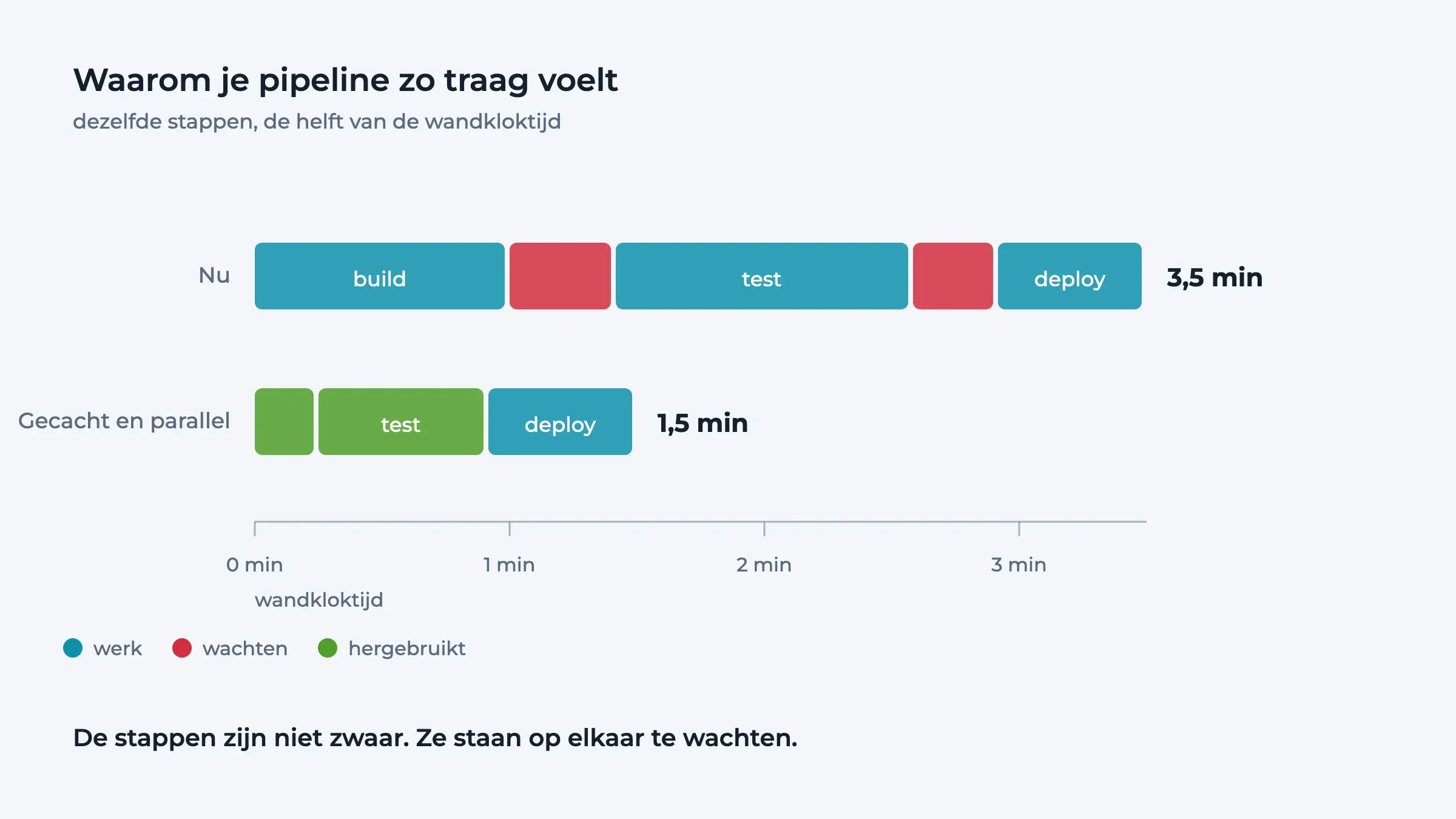
Why Your CI/CD Pipeline Is Probably the Slowest Part of Your Cloud Stack
Cloud platforms have become incredibly fast. You can spin up infrastructure in minutes, scale on demand, and deploy globally without much effort. And yet, getting a simple code change into production can still take far longer than expected.

24 March 2026
Why Most Cloud Migrations Fail Before the First Deployment
Cloud migration often starts with confidence. The plan sounds simple: move existing systems to the cloud, reduce infrastructure overhead, gain scalability, and modernise the stack. In presentations and strategy documents, the path usually looks straightforward.
Reality tends to look different.

10 March 2026
Bug Fixing in the Age of AI: How to Use Coding Agents Without Turning Your Codebase Into Spaghetti
Bug fixing has changed.
Not because bugs are different. They’re still null references, race conditions, broken assumptions, and unexpected edge cases. The difference is that now, when something breaks, you’re no longer alone with the stack trace.

3 March 2026
AI Fatigue in Development: Why Constant AI Assistance Can Wear You Down
There’s a familiar pattern among developers who have spent any time with AI-assisted tools: initial curiosity, followed by a period of regular use, and then — surprisingly — weariness. Many engineers report a sense of exhaustion, irritation, or even dread at the idea of interacting with AI daily. For teams that expected AI to save time and reduce toil, this is a disorienting experience.
It’s not that the tools are inherently bad. It’s that interacting with AI changes how developers think, work, and maintain focus — and those changes can be draining in subtle ways that traditional productivity metrics don’t capture.
24 February 2026
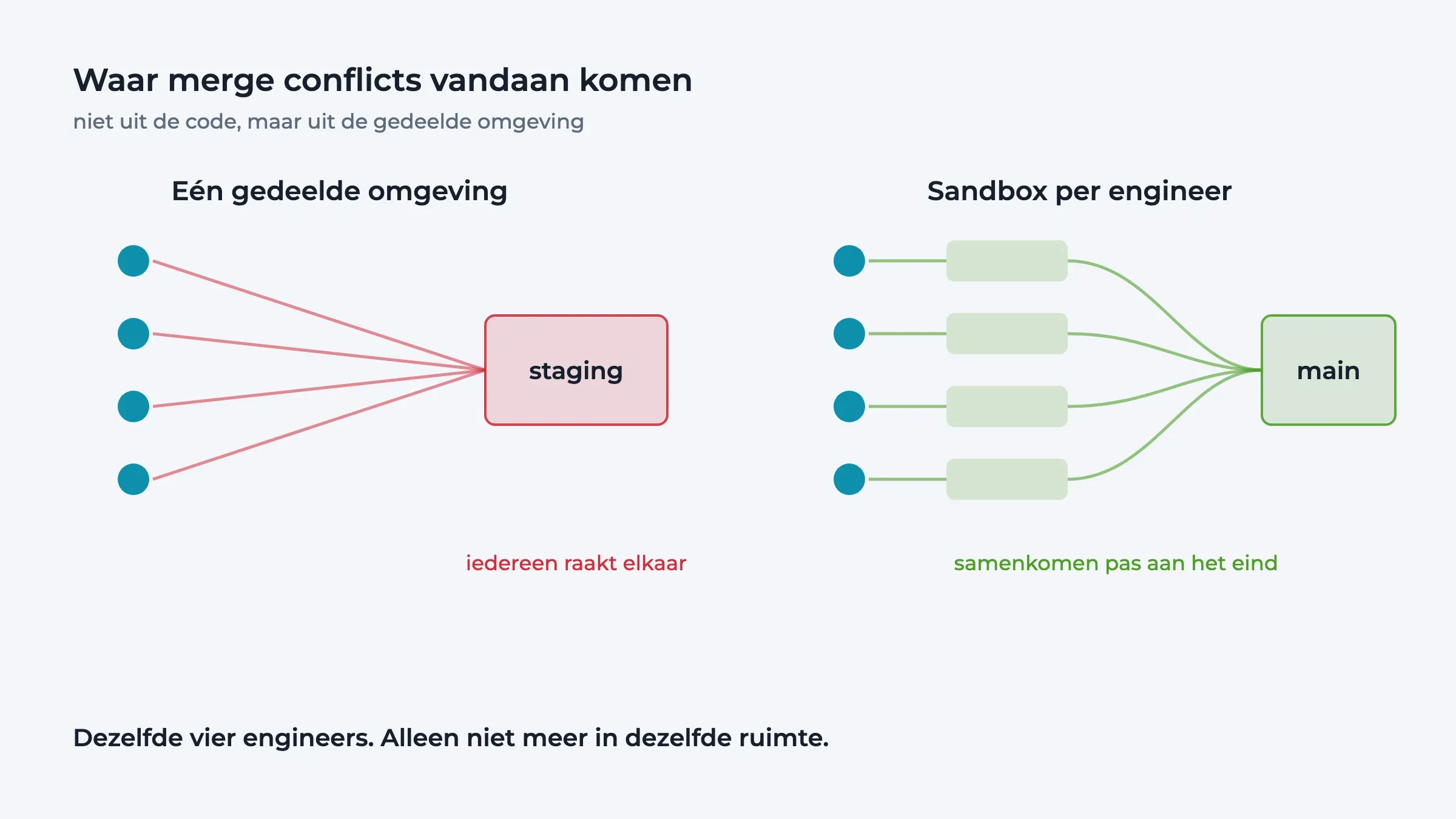
Remote Cloud Sandboxes: Reducing Merge Conflicts in Distributed Teams
In distributed engineering teams, merge conflicts are a recurring headache. They slow down development, frustrate engineers, and introduce subtle bugs that sometimes go unnoticed until deployment. While traditional local development environments work well for small teams, scaling to remote or multi-location teams demands a more robust approach. Enter remote cloud sandboxes—isolated, cloud-based environments that can transform collaboration and reduce friction in distributed software development.

17 February 2026
CI/CD Pipelines Shouldn’t Be a Full-Time Job
If you’ve ever felt like your CI/CD pipeline is working against you rather than for you, you’re not alone. The promise of continuous integration and continuous delivery was supposed to be freedom: faster feedback, automated testing, reliable deployments, and more time for coding. In reality, for many teams, CI/CD has become a second full-time job.
10 February 2026
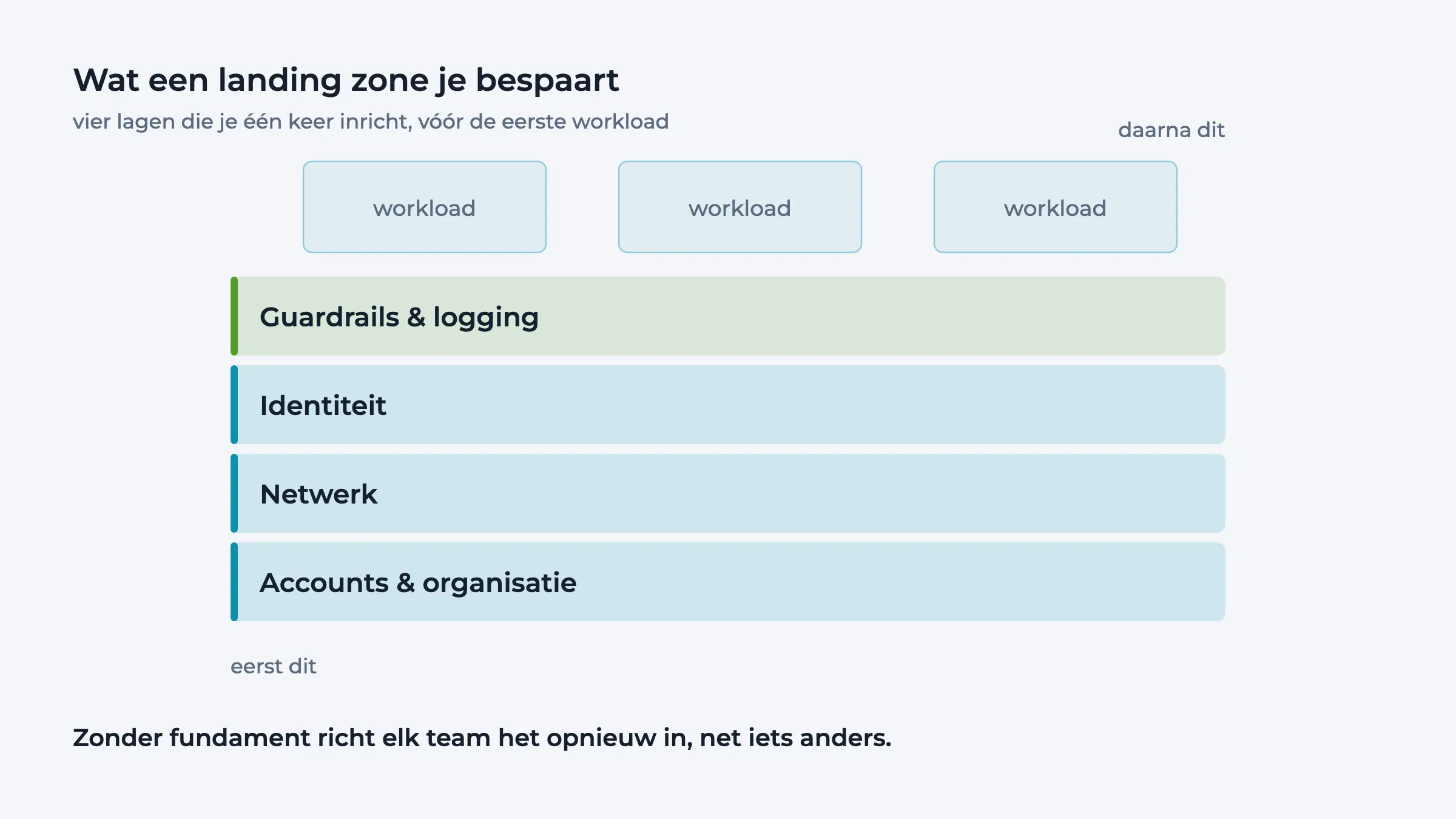
What Is a Cloud Landing Zone — And Why You Need One Before You Scale
Moving to the cloud is deceptively easy.
You create an account, spin up a few services, deploy your first workload, and everything works. At least at first. The problems usually don’t appear when you’re experimenting — they show up when the platform starts to grow, when more people touch it, and when real business data and compliance requirements enter the picture.
This is the point where many teams realise they’ve been “using the cloud,” but not really operating in it. That’s where the idea of a Cloud Landing Zone becomes critical.

3 February 2026
Did React Router Framework Kill Next.js?
As frontend developers, we tend to talk in binaries: X killed Y, this is the future, that’s dead. The past years' rise of React Router Framework mode (v7+), born from the Remix merge, triggered exactly that kind of debate — especially when developers started claiming it felt cleaner and faster than Next.js for real-world SPAs.
27 January 2026
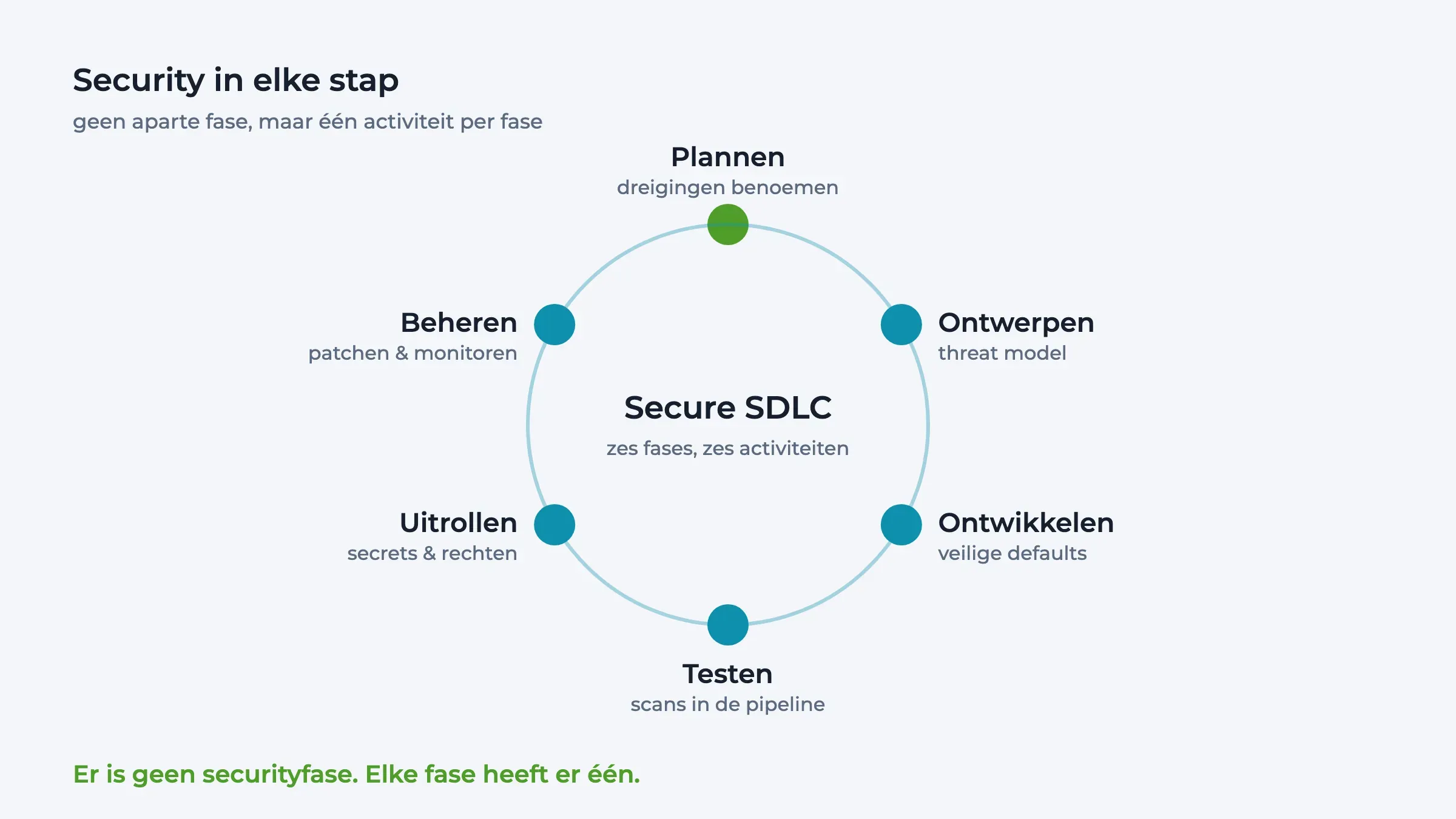
A Secure Software Development Lifecycle (SDLC): Building Security Into Every Step
In modern software development, security cannot be an afterthought. Vulnerabilities discovered post-release can cost companies millions and damage reputations. A Secure SDLC integrates security practices into each phase of the development lifecycle, ensuring your software is robust, compliant, and resilient from the very start.

20 January 2026
January Cloud Bill Review: Identifying Waste and Improving Cost Management
January is when many teams open their cloud invoice, blink twice, and wonder what exactly happened in December.
Holiday traffic spikes, paused projects, temporary experiments, and “we’ll clean this up later” resources all tend to collide at the end of the year. The result? A cloud bill that feels higher than expected — and harder to explain.
The good news: January is the perfect time to regain control. With a structured review, you can quickly identify waste, lock in savings, and set better cost discipline for the year ahead.

13 January 2026
10 Developer New Year’s Resolutions You’ll Actually Keep (No, “Learn Rust” Isn’t One)
Every January, developers across the world make the same promises: “I’ll finally learn Rust.” “I’ll rewrite everything properly.” “I’ll never ship messy code again.”
And by February… reality wins.
The problem isn’t motivation — it’s that most resolutions are too big, too vague, or disconnected from day-to-day work. Good developer resolutions should fit naturally into your existing workflow and make your job easier, not harder.
Here are 10 realistic, practical New Year’s resolutions that developers actually stick to — because they improve daily work instead of fighting it.

30 December 2025
What Cloud Looked Like in 2025 — Trends, Lessons & Future Proofing
By 2025, cloud computing had transformed beyond mere hosting: it became the foundation of AI, hybrid infrastructure, edge-to-cloud pipelines, and sustainable, high-scale digital operations. For many teams and businesses, “cloud” now means more than VMs and storage — it’s a full ecosystem for computing power, data, real-time processing, compliance, and innovation.
In this article, we look at the defining characteristics of cloud in 2025, why it evolved this way, and what that evolution meant for companies (like those we help at ZEN) building or migrating to the cloud.

23 December 2025
5 Signs You Need Cloud Consulting (Before It Costs You More)
Cloud adoption today isn’t optional — it’s a competitive accelerant. But here’s the truth: many teams quietly discover the hard way that the cloud only pays off if you use it well. Misconfigurations, runaway costs, slow delivery pipelines, and architectural bottlenecks often reveal that a team needs help… not more cloud credits.
If you feel like your cloud setup isn’t quite “working for you,” here are the five unmistakable signs it’s time to bring in cloud experts who can turn your infrastructure from reactive to resilient.

16 December 2025
The Reality Check: LLM-Generated Code vs. Human Engineers
LLMs and “AI-assisted coding” are rapidly reshaping how we develop software. Auto-complete, boilerplate generation, refactoring: many teams already rely on these tools daily. But does that mean we can trust LLMs to handle complex, real-world tasks the way experienced engineers do?

9 December 2025
How to Boost Your Google Cloud Skills: A Practical Growth Guide for Modern Engineers
The cloud is no longer just infrastructure — it’s a core capability for modern engineering teams. Whether you’re a software developer, DevOps engineer, data specialist, or tech lead, strengthening your Google Cloud skills has become a strategic investment. But with dozens of services and rapid innovation cycles, it’s easy to feel overwhelmed. This guide breaks down the most effective, real-world ways to build and accelerate your Google Cloud expertise — without wasting time on scattered tutorials or outdated content.
2 December 2025
AI-Assisted Code Reviews: What the Latest Research Reveals About GPT in Pull Request Workflows
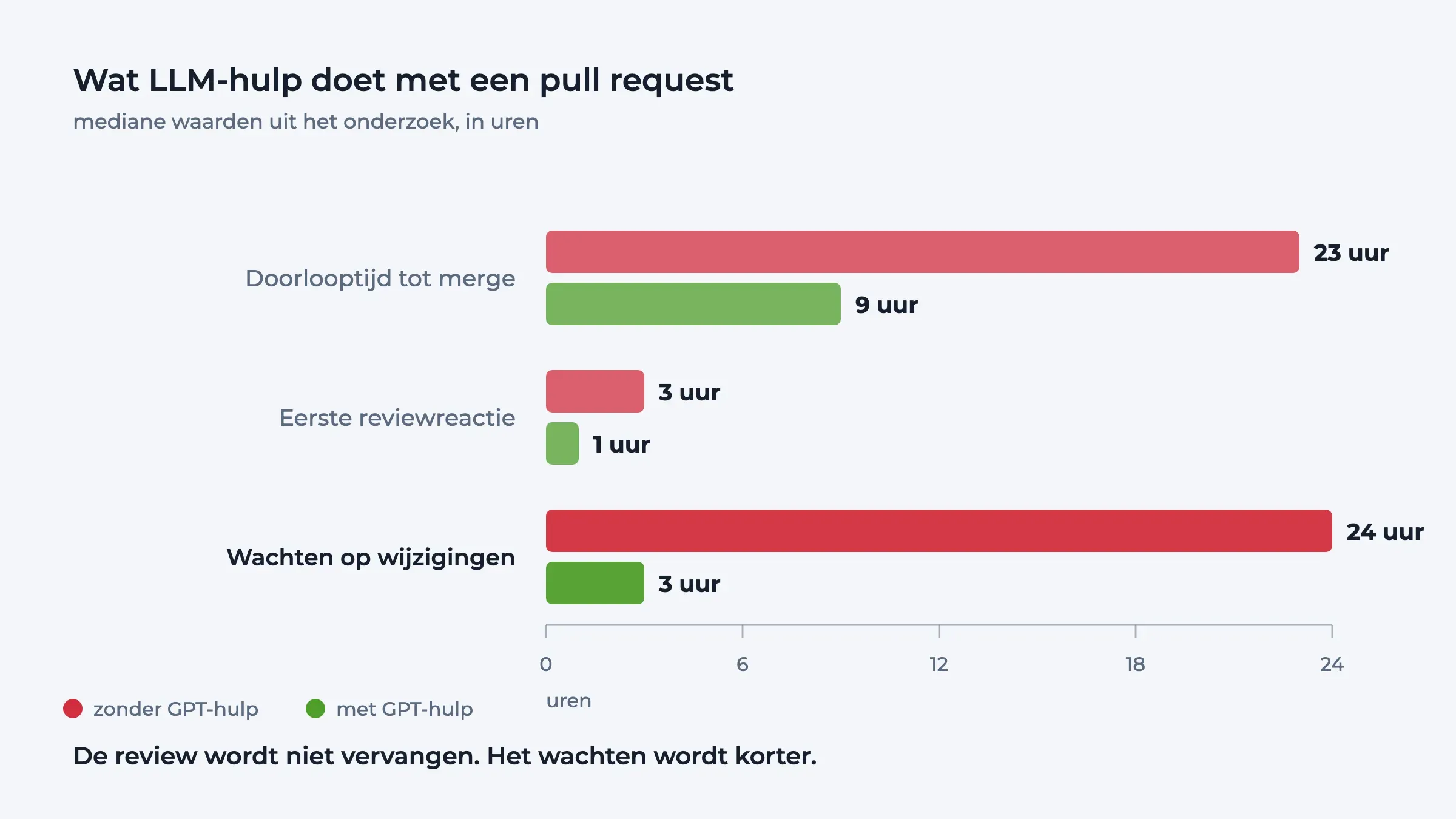
At ZEN, we keep a close eye on emerging research that affects how engineering teams build, ship, and maintain software. Recently, we came across a new study — “The Impact of Large Language Models (LLMs) on Code Review Process” — that analyses more than 25,000 GitHub pull requests to understand how GPT-style models influence code review speed and collaboration. The findings are both promising and highly relevant for modern engineering teams working in cloud-native, agile, or distributed environments. Below is our breakdown of the study — and what we think teams can take away from it.

25 November 2025
Lessons from the Cloudflare Outage: Building Resilient Cloud Architectures
On November 18 2025, Cloudflare, a major content-delivery and internet-infrastructure provider handling roughly 1 in 5 web requests globally, experienced a large-scale network failure. The result: dozens of high-profile services such as ChatGPT, X (formerly Twitter), and other applications were rendered partially or fully unavailable for hours. In this article, we cover the lessons we’ve distilled from the incident, and talk through how you can apply them when designing or revisiting your cloud architecture.
18 November 2025
Shared Responsibility, Shared Confusion: Who Owns Security in the Cloud?
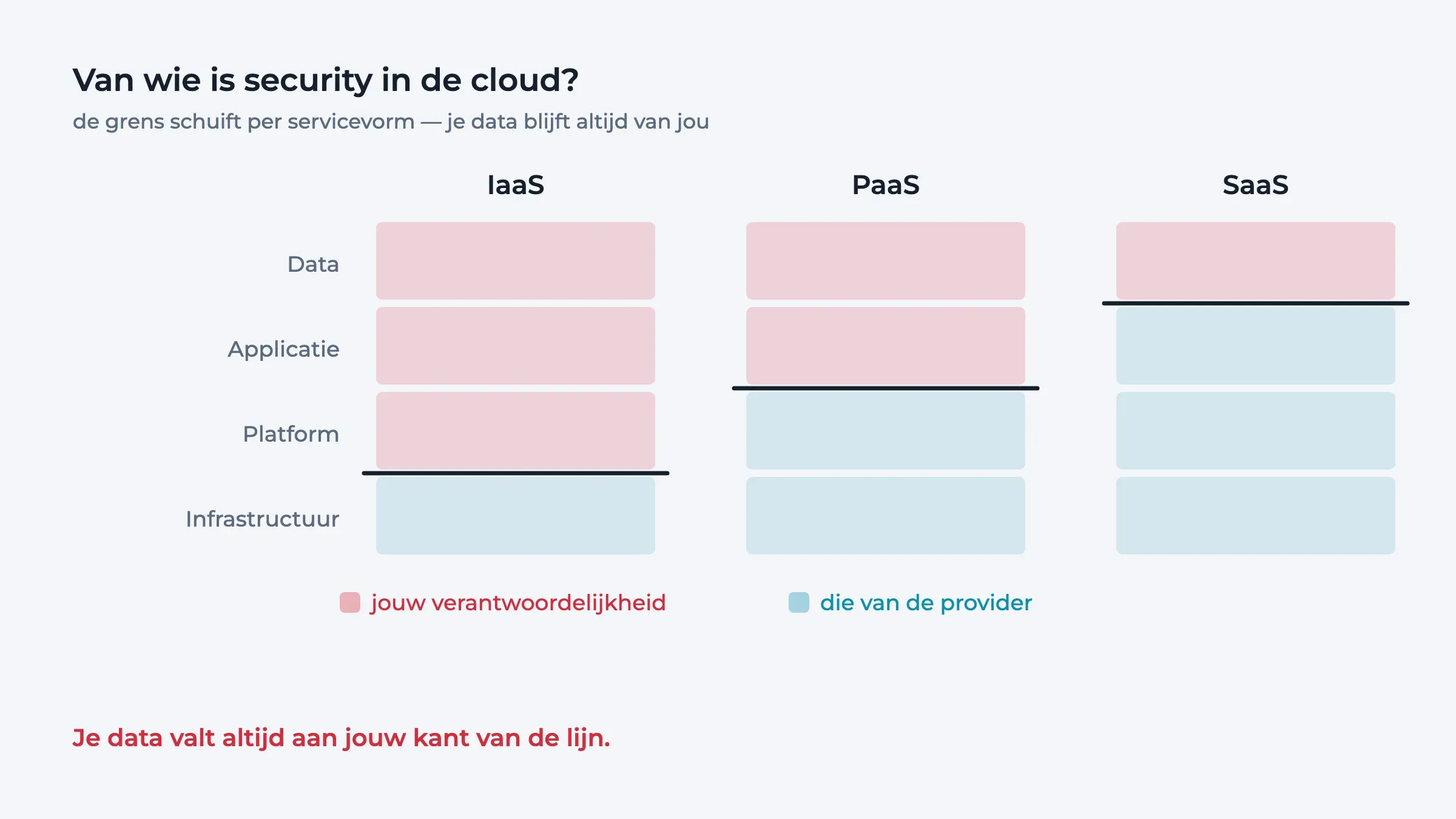
When companies move to the cloud, they often assume that the provider — whether AWS, Azure, or Google Cloud — takes care of all the security. After all, it’s their data centre, their servers, and their infrastructure.
But the reality is more nuanced. Cloud security operates on a shared responsibility model — meaning that while cloud providers secure the underlying infrastructure, you (the customer) are still responsible for securing what you put in it.
11 November 2025
Secrets Rotation in Production Without Downtime: How to Keep Your Systems Secure and Running Smoothly
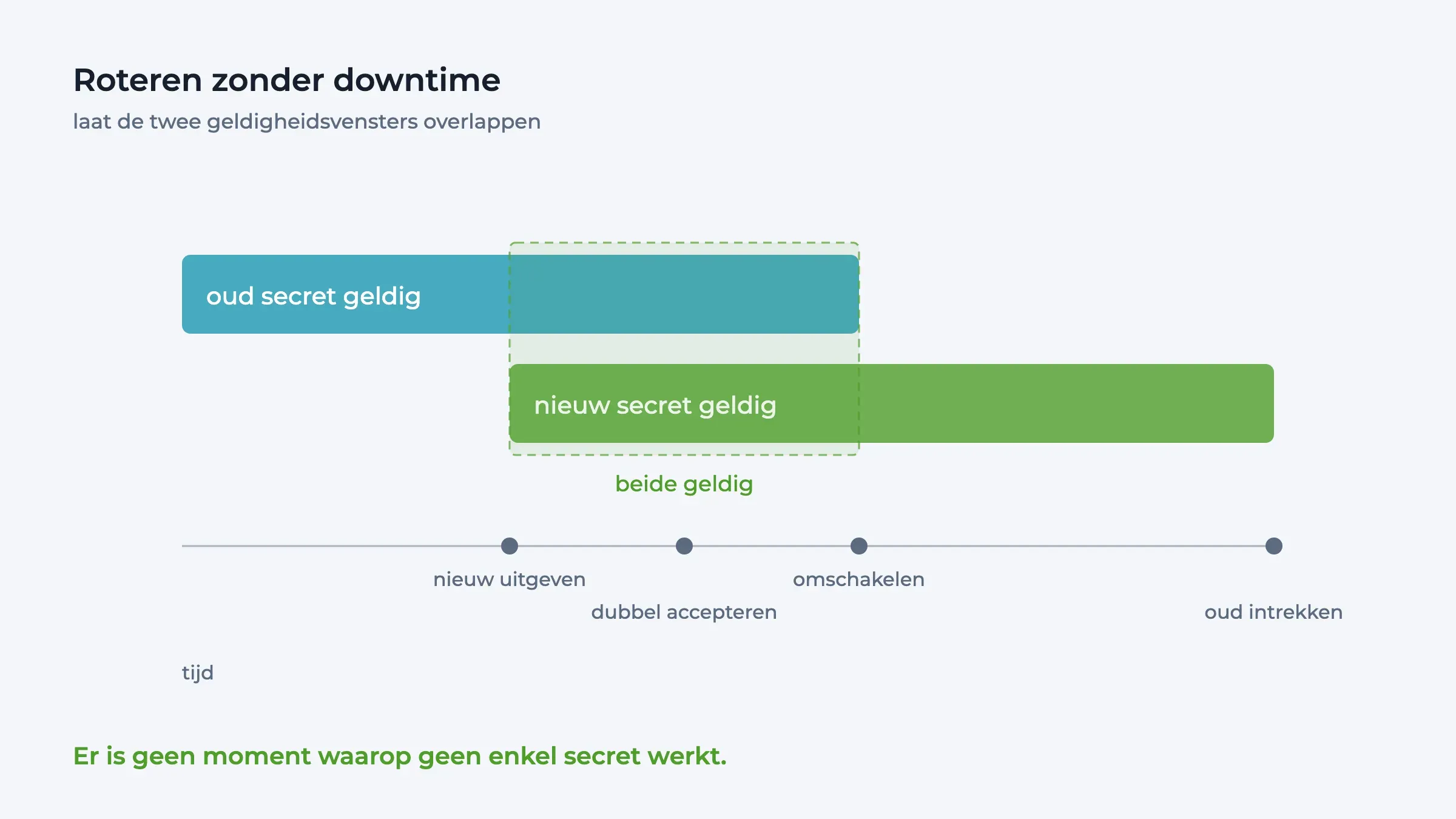
Security best practices often tell us to “rotate secrets regularly,” but when your application is running in production, that’s easier said than done. API keys, database passwords, and tokens are often baked into live systems—and rotating them can feel like defusing a bomb. The good news? With modern DevOps and cloud tooling, you can implement seamless secrets rotation without causing downtime.

28 October 2025
Disaster Recovery in the Age of Remote Work
The way we work has changed dramatically. Remote and hybrid models have shifted software development and IT operations from centralised offices to globally distributed teams. While this brings flexibility and broader talent pools, it also introduces new challenges for disaster recovery (DR). Traditional DR strategies assumed co-located teams, centralised data, and on-premises infrastructure. Today, companies need strategies that support remote-first operations, ensure business continuity, and protect critical data across multiple locations and cloud environments.

21 October 2025
Code Reviews That Teach, Not Torture: Patterns for Effective, Respectful, and Useful Code Review Culture
Code reviews are supposed to make us better developers — not frustrated ones. Yet, in many teams, they end up feeling like gatekeeping or nitpicking sessions rather than opportunities to grow. The difference between a painful and productive review usually comes down to culture and process, not just tooling. Let’s look at what makes code reviews actually teach — not torture.

14 October 2025
OnlyCloud: Euro Cloud vs US Cloud
For over a decade, the global cloud market has been dominated by US hyperscalers — AWS, Microsoft Azure, and Google Cloud. These giants defined what “the cloud” means for most organisations: scalable infrastructure, global reach, and near-limitless services. Yet in recent years, a counter-movement has emerged in Europe, where concerns about digital sovereignty, data protection, and geopolitical independence are reshaping how cloud is perceived and consumed.
7 October 2025
The Future of Frontend Hosting: What Developers Need to Know in 2025
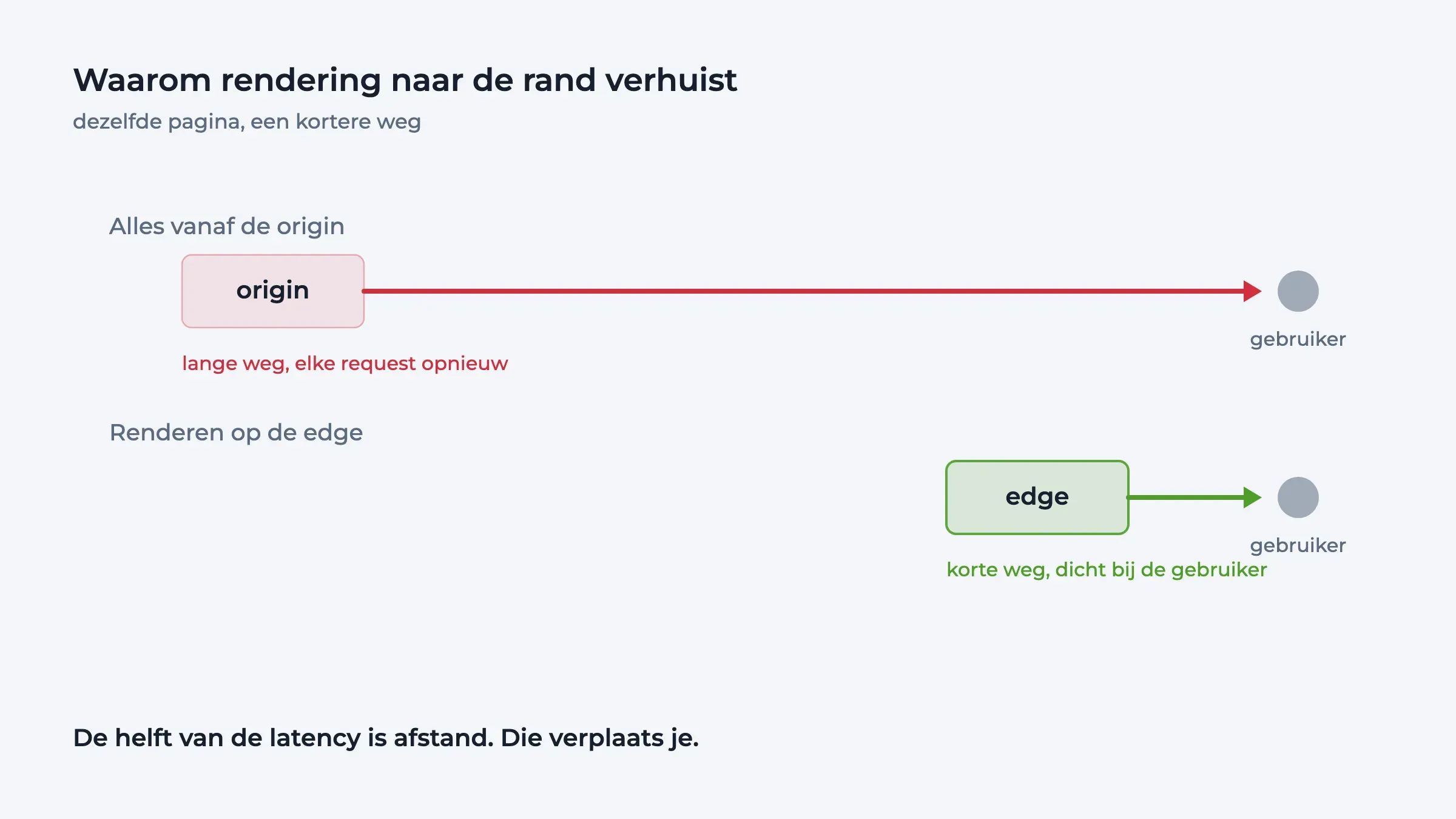
Frontend hosting has evolved dramatically in the past decade. We’ve gone from uploading static HTML files to FTP servers to deploying full-stack applications at the edge with just a single command. With frameworks like Next.js, Remix, Gatsby, and Vite pushing the boundaries of what a “frontend” even means, hosting providers are racing to keep up.
So, what does the future of frontend hosting look like in 2025 and beyond? Let’s explore the key trends, opportunities, and trade-offs.

25 September 2025
Best Practices for Cloud Backup and Disaster Recovery in a Remote-First World
This article breaks down best practices for cloud backup and disaster recovery in a remote-first world — with a practical focus on what actually works, tools you can use, and the trade-offs to consider.
18 September 2025
Best Ways to Host Your React-Based Frontend (Vite, Next.js, Remix) and Backend from One Container
Modern applications often combine a React-based frontend (built with Vite, Next.js, Remix, etc.) and a backend API (Node.js, Python, Java, etc.). In production, the cleanest architecture is usually to deploy frontend and backend as separate services.
But sometimes you want the simplicity of hosting them together in one container.
11 September 2025
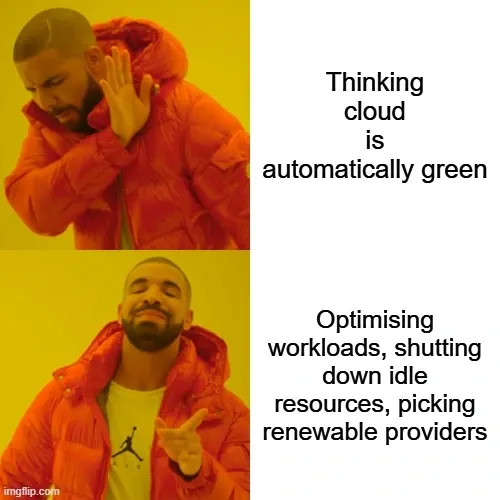
Why Your Cloud Strategy Isn't as Green as You Think (+ Simple Fixes)
Think moving to the cloud makes your business sustainable? Not always. Discover the hidden CO2 costs of cloud computing and simple optimisation strategies to cut emissions and save money.

20 February, 2024
What’s wrong with GA4, or how to find essential reports in Google Analytics
Google Analytics 4 (GA4) reporting has received some criticism and feedback from users since its release. Despite GA4 offering an array of reporting tools, users may face confusion regarding the location of certain reports or the type of data in the interface. In this article, we delve into common reporting queries and where to locate them in GA4.
25 January 2024
ZEN Backstage implementation
Backstage is an open platform for building developer portals – locations where companies can engage in technical outreach and education. These portals enable the provision of software documentation, example code, tools, and knowledge bases to enhance communication and functional collaboration. From a developer's perspective, a developer portal simplifies API management.

18 January 2024
A Developer's Guide to Agile Rollouts: adding Feature Flags in React
Feature flags, also known as feature toggles or feature switches, are a powerful tool in software development that allows developers to enable or disable specific features or functionalities in an application. In the dynamic landscape of front-end development, the integration of feature flags has emerged as an indispensable strategy, unlocking a realm of possibilities for developers seeking agility, flexibility, and enhanced control over their projects.
2 February 2023
Add lightning fast search to your React/Nextjs site
Creating a search feature on your website can significantly improve the user experience. A well-designed search bar can be a powerful tool for increasing engagement and conversion. In this article, we will focus on adding an easily implemented and fast search feature to your website with the help of Google's Custom Search API.
2 September 2022
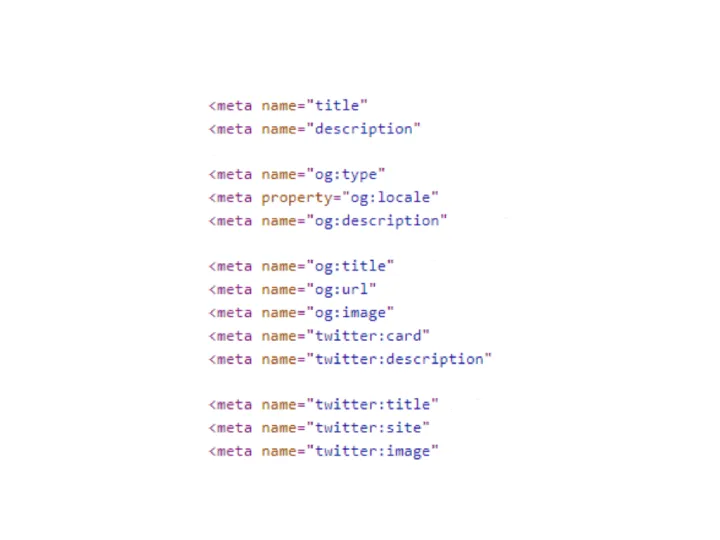
Implementing SEO meta tags on a Next.js/Strapi website
Having a good SEO is critical for your website. An increasingly important part of that means having good meta tags for pages and articles on your site. We have an extremely scalable setup at ZEN Software using a headless CMS, Cloud Platform and a world-class content delivery network. Adding good SEO to a CaaS setup in 5 easy steps!